Trauma-informed ministry begins with understanding.
Shalom Trauma Consulting equips clergy and congregational leaders with the knowledge, language, and frameworks to walk alongside trauma survivors with competence and compassion.
Called to bridge the gap between faith and healing.
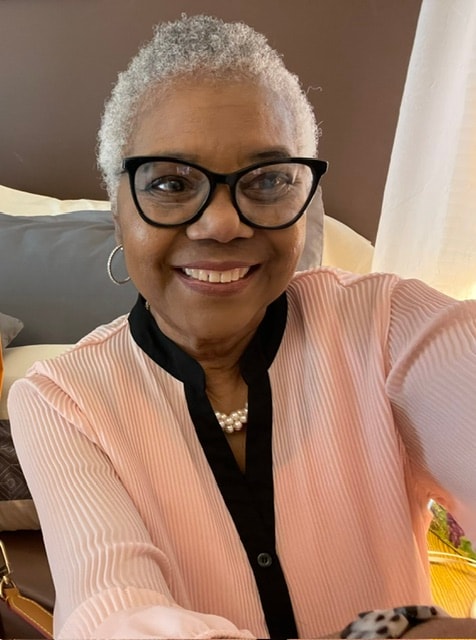
The work of Shalom Trauma Consulting grew out of a simple, persistent observation: the church is often the first place a trauma survivor turns — and the last place equipped to receive them well. Pastors, deacons, and lay leaders encounter survivors every week, often without realizing it, and without the tools to respond in ways that heal rather than harm.
That gap is not a failure of heart. It is a gap in training and language. Clergy are called to care. What they often lack is a framework for understanding how trauma shapes the body, the mind, and the spirit — and how well-meaning responses can inadvertently retraumatize the very people they are trying to serve.
This consulting practice was founded to close that gap — through speaking, training, and curriculum that translates the science of trauma into the language of ministry. The goal is not to turn pastors into therapists. It is to help them become safer, wiser, more effective shepherds for the people already in their care.
“The church is often the first place a trauma survivor turns — and the last place equipped to receive them well.”
This work draws on training in trauma-informed care, pastoral ministry, and adult education — and on years of direct experience walking alongside survivors, training church leaders, and developing curriculum that congregations can actually use. It is grounded in the conviction that faith communities have a unique and irreplaceable role in the healing of trauma — when they are equipped to play it.
Shalom — the Hebrew word for wholeness, peace, and flourishing — is both the name and the aspiration. Not the absence of pain, but the presence of restoration. That is what this work is for.
What it means to be trauma-informed
Trauma-informed care is not a technique. It is a lens — a way of understanding behavior, relationships, and spiritual struggle through the reality of what people have experienced. When a congregation adopts this lens, everything changes: how sermons are preached, how pastoral conversations are held, how small groups are facilitated, how conflict is navigated.
The core principles are straightforward: safety, trustworthiness, peer support, collaboration, empowerment, and cultural humility. Applying them in a congregational context requires translation — and that translation is exactly what this work provides.
Trauma-informed ministry does not require a clinical degree. It requires awareness, language, and the willingness to ask better questions. This consulting practice exists to give church leaders all three.
Grounded in both faith and science
- Trauma-informed care trainingCertified practitioner coursework in trauma theory and somatic approaches
- Pastoral ministry backgroundYears of direct congregational leadership and pastoral counseling experience
- Adult education & curriculum designDeveloped and facilitated training programs for clergy and lay leaders
- Survivor advocacyDirect work alongside trauma survivors in faith-based and community settings
- Speaking & keynote experienceConferences, denominational gatherings, and seminary settings across the country
Congregations, denominations, seminaries, and ministry organizations across traditions — Protestant, Catholic, and non-denominational.
The principles that shape every engagement
Every training, every keynote, every consulting engagement is designed with one non-negotiable: the people in the room — and the survivors they serve — must leave safer than they arrived.
This work lives at the intersection of clinical trauma science and pastoral theology. Neither is sacrificed for the other. Both are necessary.
Survivors are not case studies. They are image-bearers. Every framework, every curriculum, every conversation begins from that conviction.
Ready to equip your congregation?
Whether you're planning a conference, equipping a pastoral team, or exploring a consulting partnership — reach out and we'll find the right path forward together.
A partnership built around your congregation's needs
- Personal reply within 1–2 days — every inquiry is read, not filtered.
- A discovery conversation to understand your context, tradition, and goals.
- A tailored proposal — speaking, training, consulting, or curriculum, shaped to fit.
- Ongoing support available for congregations committed to long-term culture change.
Accepting speaking and training engagements for 2025–2026. Consulting partnerships available on a rolling basis.